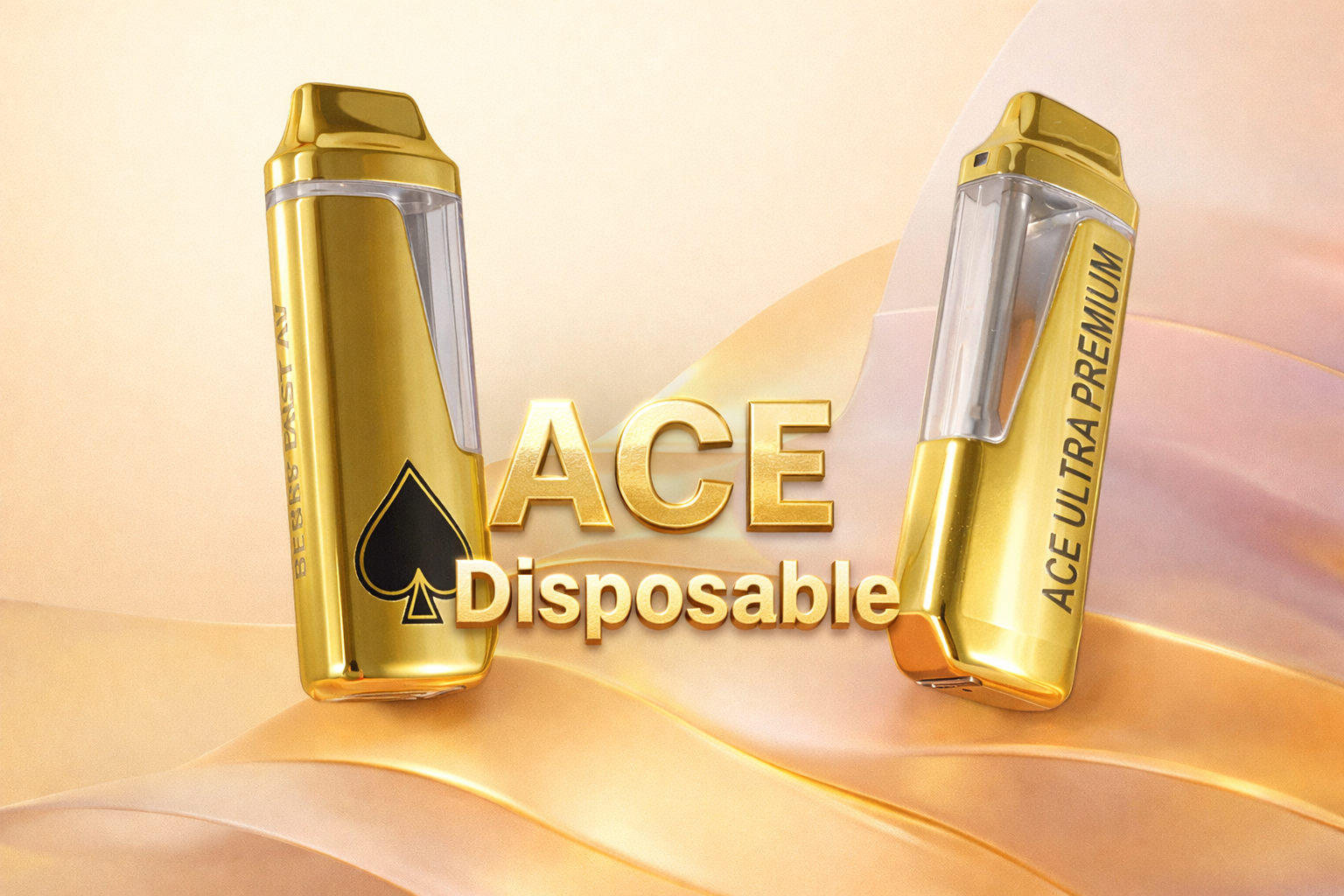
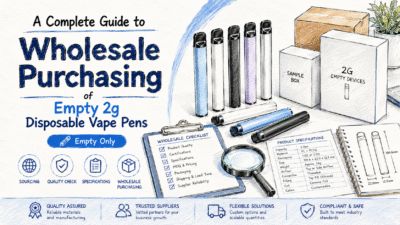
In 2025, buyers don’t just compare unit price—they compare repeatability: how the same hardware performs across batches, how clean the finishing looks on shelves, and how reliably it runs through your filling and QC workflow. This guide is built for B2B teams sourcing ACE hardware through ACE wholesale. If your plan is to stock empty ACE ultra shells (hardware-only) or position an ACE ultra premium for sale lineup as a higher-margin option, the sections below focus on practical buying decisions: MOQ, tier pricing logic, QC gates, and inventory timing.
Wholesale demand is shifting toward premium-looking, consistent empty hardware because it reduces downstream costs: fewer returns, fewer support tickets, and less rework during production. For brand owners and distributors, “premium” is less about hype and more about measurable outcomes—stable assembly tolerances, dependable sealing, and shelf-ready finish that holds up in photos and retail lighting. That’s why empty disposables that run smoothly through your standard SOP (sample → pilot → bulk) keep outperforming random spot buys.
Who ACE Ultra Fits Best
ACE Ultra hardware is typically a strong fit for:
Distributors needing a dependable, repeatable SKU family for recurring purchase orders.
Brands that want a clean “canvas” for their own packaging and batch control.
Labs / fill partners that prioritize predictable handling and fewer production surprises.
Retailers looking for a premium appearance to justify stronger margins.
If your current pain points are inconsistent finish, mixed batch performance, or “looks different from the photos,” you’ll get the most value by tightening your sourcing and QC gates—rather than only chasing the lowest quote.
Choosing: Empty vs Premium
The most common wholesale decision is whether to lead with empty shells or push a premium tier. Use this simple rule: choose empty when you need operational flexibility, and choose premium when you need stronger shelf impact.
Empty-first strategy
Best for custom programs and controlled fills.
Clean workflow: you validate the shell once, then scale with confidence.
Easier to standardize your own QC and batch documentation.
Premium-first strategy
Best for retailers aiming for a “higher-end” look and feel.
Helps differentiate listings when marketplaces are crowded.
Pairs well with limited drops, bundles, and seasonal campaigns.
Bulk Pricing & MOQ: How to Think in Tiers
Wholesale pricing usually rewards predictability: suppliers lower the unit price as you increase volume and reduce change requests. Instead of asking “What’s the cheapest price?”, ask “What’s the best price at my reorder volume?” That keeps your business stable. Below is a practical tier framework you can use when negotiating:
If you want stronger tier pricing, keep your request clean: stable colorways, stable packaging requirements, and a predictable reorder schedule. That’s often where you “earn” the best unit economics in ACE wholesale.
QC Guide: What to Check Before You Scale
The fastest way to avoid headaches is to treat QC as a gate—not a reaction. Here’s a shortlist that works well for empty ACE ultra bulk programs:
QC Item
What You’re Checking
Why It Matters
Finish & print
Uniform coating, clean edges, no scuffs
Reduces returns and “photo mismatch” complaints
Assembly feel
No rattles, stable housing, consistent fit
Predictable handling during processing
Sealing points
Clean seams, consistent alignment
Helps reduce leak-risk under storage/shipping stress
Pack-out condition
Carton protection, unit separation
Prevents cosmetic damage in transit
Best practice: run a small pilot, record pass/fail reasons, then scale only after your defect rate is stable. This is especially important if you’re positioning a higher-margin ACE ultra premium for sale SKU—premium pricing needs premium consistency
A smoother experience begins with responsible product selection, careful inspection, clean handling, and awareness of warning signs. This guide provides

 ACE Ultra
 Muha Meds
 Big chief
 Besos
Besos Clean Carts
 Cookies
 Packman
 Sluggers
 Tyson pod
 Whole Melt
 California Honey
 USA Warehouse
 UK Warehouse
 POLAND Warehouse