Published April 22, 2026 · Category: Guides
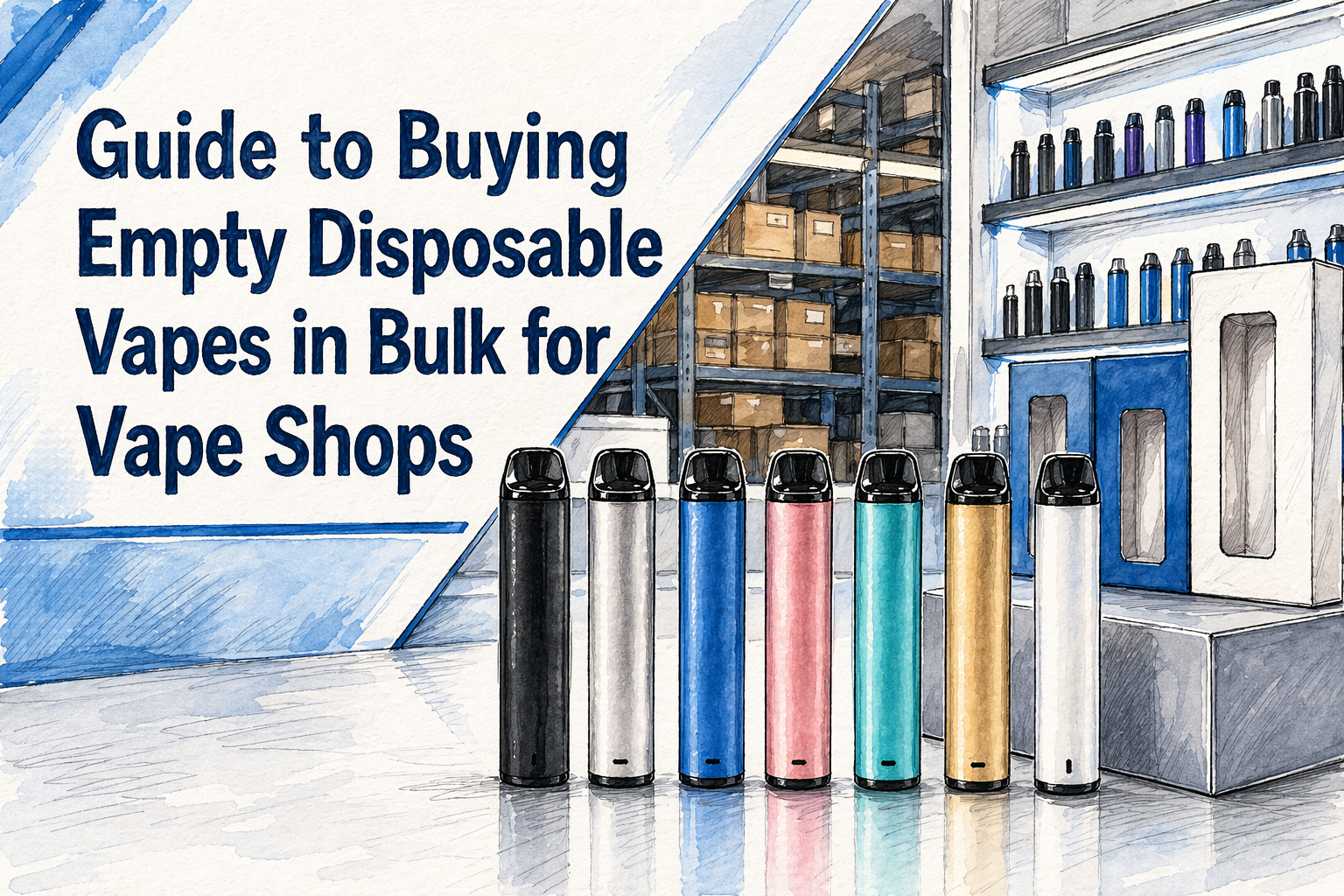
Buying empty disposable vapes in bulk is not the same as buying retail-ready products. For vape shops, the first job is to keep the order scope clear, keep naming consistent, and compare listings in a way that makes restocking easier later. A good bulk purchase is not built on vague claims. It is built on clear capacity, consistent page language, stable receiving standards, and a buying process that fits your shelves, your reorder rhythm, and your paperwork.
On AVapeBulk, the most useful starting point is the empty disposable vape category. From there, vape shops can narrow the search by size, compare page structure, and move into a live listing only after the broader category is clear. That sequence helps buyers avoid mixing broad browsing with SKU-level decisions too early.
Scope note: This article is written from an empty only angle for wholesale buyers and vape shops. It focuses on category reading, size selection, supplier checks, naming discipline, and official compliance references.
Contents
Start with scope, not assumptions
The phrase “empty only” should be clear from the first paragraph of any buying guide. That keeps the article aligned with category intent and helps buyers avoid confusion when they compare pages from different sellers. It also keeps your team from inheriting wording that does not match what the listing is actually offering.
For vape shops, this matters because bulk orders usually involve more than one decision at once: which sizes deserve shelf space, which pages are easiest to reorder from, which names stay consistent across invoices, and which listings are easiest to review at receiving. When those basics are clear, the buying process becomes easier to repeat.
Choose the right size mix for your shop
Most shops do better when they compare size groups before they compare individual listings. On AVapeBulk, that means looking at 1g disposable vape pages for a smaller-capacity mix and 2g disposable vape pages for a larger-capacity mix.
When 1g can make sense
A smaller-capacity group can be useful when a shop wants a lower-commitment shelf mix, more variety in a smaller footprint, or a simpler starting point for new reorder patterns. It also gives buyers a fast way to compare naming, category structure, and page consistency without sorting through a broader range all at once.
When 2g can make sense
A larger-capacity group can be useful when a shop already knows this format is a steady part of its assortment. In that case, the main job is less about discovery and more about making sure the page language, packaging logic, and reorder process are stable enough for repeat buying.
Read listings like a buyer
Once the category path is clear, one live listing is usually enough to show how the site presents key details. A good example on AVapeBulk is Cookies Fried Bananas 2g Empty Vape Pen. A page like this is useful not because it should decide the whole order by itself, but because it shows how a single listing handles naming, size wording, and the overall structure a buyer will have to review again at reorder time.
When reading a listing, vape shops should look for simple questions first. Is the naming clear enough to match later with an invoice or warehouse note? Is the size stated in a consistent way? Is the listing easy to distinguish from similar pages? Are the details presented in a format your team can verify during receiving? Those questions matter more than generic praise because they reduce friction after the order is placed.
Another practical rule is to compare a listing against its category page, not in isolation. If a single page uses wording that drifts too far from the category path, it becomes harder to train staff, harder to reorder, and harder to keep product data consistent across your own store materials.
Ask better supplier questions before reordering
Bulk buying does not end when the first order arrives. Vape shops that reorder well usually ask the same core questions every time: what is the minimum order quantity, how are lead times explained, how stable is the naming across repeat runs, and how easy is it to check a shipment against the page that was used to place the order?
If you want one supporting read on that process, AVapeBulk already has a related article on empty vape wholesale supplier selection. It is a useful companion piece because it keeps the focus on repeatable sourcing checks rather than turning the conversation into a product pitch.
Questions worth asking before a second order
- Will the same naming be used on the next invoice and the next listing update?
- Can your team match incoming cartons to the exact page used for the first order?
- Is there a clear lead-time explanation for in-stock items versus custom runs?
- Can the supplier explain what changed if the page title, image set, or specs move between batches?
- Does the listing language stay aligned with an empty only scope from top to bottom?
These questions are not dramatic, but they are the ones that usually protect margin, time, and team attention. Shops that ask them early tend to spend less time fixing preventable confusion later.
Use official references to keep claims clean
For bulk buyers, the lesson is straightforward: do not treat broad market language as a substitute for official status. If a page or supplier claim sounds bigger than the evidence behind it, pause and verify it. That same discipline matters for import work too. FDA’s importing tobacco products page says FDA verifies requirements such as market authorization, labeling, and user fees at the time of importation.
FDA’s page on marketing orders is also important for buyers who want to understand why “legal,” “authorized,” and similar wording should never be used casually. In plain terms, official status is something to verify, not something to assume.
Beyond FDA references, vape shops should keep ad copy and buying guides tied to evidence. The FTC’s advertising basics page says claims in advertisements must be truthful, cannot be deceptive or unfair, and must be evidence-based. That matters even in blog content, because article language often ends up shaping product copy, category copy, and staff wording.
Naming deserves the same care. Before you scale a phrase across category pages, menus, collection copy, or in-store materials, use the USPTO trademark search system as a first check. It will not replace legal advice, but it is a sensible first step when you want cleaner naming discipline.
Bulk buying checklist
- Start with the category page, not the first single listing you see.
- Separate 1g and 2g comparison work before building a mixed order.
- Keep “empty only” clear in internal notes and staff handoffs.
- Match listing titles, size wording, and reorder notes before checkout.
- Use one live listing as a reference point for receiving.
- Ask the same supplier questions before every reorder.
- Verify official-status claims against current FDA pages.
- Keep article copy, category copy, and ad copy aligned with FTC rules.
- Check naming patterns before you reuse them across your own channels.
FAQ
What is the best first internal link for this topic?
The best first internal link is the main category page. It gives readers a broad starting point and supports the pillar keyword before the article narrows into size-based comparisons.
Should vape shops start from single listings or from categories?
Categories are the better starting point. They help shops compare size groups and page structure first, which makes later SKU decisions easier and more consistent.
Why use official external references in a buying guide?
Because official references help keep wording accurate. They are especially useful when a shop needs to separate broad market language from verified compliance information.
How many internal links are enough for this article?
Five is enough here: one pillar page, two size-based category pages, one single listing, and one supporting supplier guide. That is usually plenty for a clean internal structure without turning the article into a link list.
Final takeaway
A strong bulk-buying guide does not need exaggerated language. It needs clear scope, useful category paths, steady naming, and enough official context to keep your copy clean. For vape shops, the best buying process is usually the one that can be repeated without confusion the next time the shelves need to be filled.
Editorial note: keep the article framed as empty only, keep anchors concise, and keep every claim tied to a live page or an official source.

 ACE Ultra
 Muha Meds
 Big chief
 Besos
Besos Clean Carts
 Cookies
 Packman
 Sluggers
 Tyson pod
 Whole Melt
 California Honey
 USA Warehouse
 UK Warehouse
 POLAND Warehouse