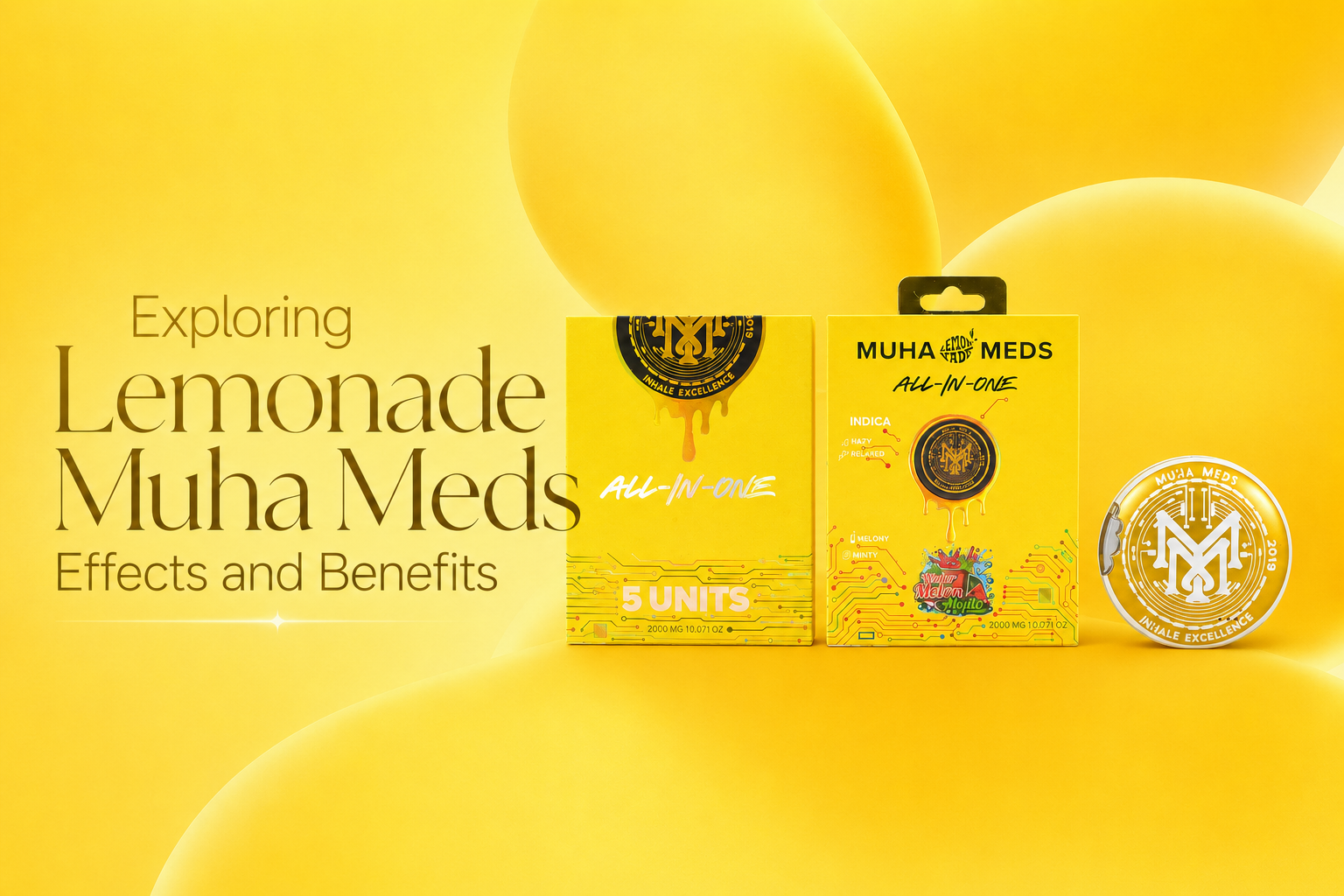
Lemonade Muha Meds effects and benefits should be discussed carefully from an empty only B2B sourcing and claim-review perspective. Buyers should avoid treating flavor names, product names, online comments, or promotional phrases as verified health or performance claims. A safer review process starts with the product page, category placement, empty only wording, public health resources, and written records.
When buyers search for Lemonade Muha Meds effects and benefits, the article should not promise results. Instead, it should explain how to review product naming, empty only wording, public health sources, and marketing claims. The Muha Meds Disposable category gives buyers a broader view of related empty only products before they focus on one Lemonade listing.
Do not describe effects or benefits as guaranteed results.
Confirm that the product is empty only and not pre-filled.
Review the product page, category, capacity, and warehouse note together.
Use FDA, CDC, NIDA, and FTC resources before repeating health-related wording.
Keep written records for quotes, claims, product URLs, and packaging notes.
1. What Lemonade Muha Meds Means in an Empty Only Context
In a B2B sourcing article, Lemonade Muha Meds should be reviewed as a product name and catalog reference, not as proof of any effect or benefit. The listing should be checked for product title, empty only wording, capacity, category placement, and written quote consistency.
Buyers should confirm that the product is sold empty only, contains no pre-filled material, and is not being presented as a finished consumable product. This helps purchasing, warehouse, packaging, and compliance teams use the same language during order review.
If a sales message, product note, or customer question uses words such as “effects” or “benefits,” the safest response is to separate naming from claims. A flavor or product nickname may describe appearance or category identity, but it should not be used as evidence of health, wellness, mood, or body-related results.
2. Start with the Muha Meds Category
A category page gives buyers more context than a single listing. It helps show how the product sits within a broader empty only catalog, whether related products share similar naming patterns, and whether the supplier keeps product wording consistent.
Buyers can also review the wider empty disposable vape category to understand how empty only items are organized across the site. This supports a broader pillar topic while keeping the Lemonade product page as the focused reference.
During category review, buyers should record the product URL, product title, capacity, empty only note, quote date, warehouse note, and contact person. This creates a clear trail for internal approval and repeat orders.
3. Compare the 2g Capacity Group
Capacity should be reviewed before price or claim wording. A product in the 2g group should be compared with other 2g options, not with unrelated sizes. This keeps the review fair and reduces confusion during order planning.
The 2g disposable vape category helps buyers compare products within the same capacity group. A simple comparison sheet can include product name, product URL, empty only wording, quote quantity, packing note, warehouse location, and lead time.
This type of comparison is especially useful when buyers are evaluating multiple Muha Meds empty only options and want to avoid mixing capacity groups, product names, or quote terms.
4. Review Effects and Benefits Wording Carefully
The phrase “effects and benefits” should be handled with care. A B2B article can explain how buyers should review claim language, but it should not state that a product will create a specific feeling, health result, wellness result, or body-related outcome.
When reviewing public-facing wording, buyers should look for three types of language:
Product identification: name, category, capacity, empty only status, and visual reference.
Customer-facing claims: statements about performance, wellness, mood, health, or expected result.
Product identification can be factual when it matches the product page and quote. Customer-facing claims need much stronger review. If the claim cannot be supported by reliable evidence and appropriate review, it should not be used.
5. Use Public Health and Claim Resources
Public resources can help buyers understand why effects and benefits wording should not be treated casually. These sources do not replace legal, medical, customs, or compliance advice, but they are useful starting points for claim control and risk review.
FDA resources for cannabis-related topics
The FDA provides FDA cannabis regulation resources for businesses and consumers reviewing cannabis and cannabis-derived product issues. The FDA also maintains information on the FDA cannabis research and approval process, which is useful when reviewing whether a claim is supported by official approval or scientific review.
Public health resources on possible effects
For neutral public health context, buyers can review CDC cannabis health effects and the NIDA cannabis effects overview. These resources are better references than informal comments when a team needs to understand why effects language should remain careful and evidence-based.
FTC resources for benefit and health-related claims
The FTC provides FTC health products compliance guidance and a business guidance page on FTC health claims guidance. These resources are important when businesses review benefit language, wellness language, or any statement that could be read as a health-related claim.
Reviews and testimonials should not be used as proof of product effects. Buyers can review the FTC’s review authenticity rules before relying on customer comments in marketing or sourcing decisions.
Trademark, import, and documentation resources
Brand names, product names, package wording, and logo use should be checked before resale or custom packaging. The USPTO trademark search can help buyers begin a basic name review.
If a product page or quote mentions USA stock, the buyer should separate warehouse location from origin wording. USA stock may help with timing and local fulfillment planning, but it should not automatically be turned into a U.S. origin claim.
Buyers reviewing warehouse-related wording can check USA Stock Lemonade Muha Meds and compare the page wording with the quote, invoice, and packing note.
For origin wording, the FTC provides U.S. origin claim guidance. This is useful when a team needs to avoid confusing USA stock, USA warehouse, and Made in USA wording.
Lemonade Muha Meds Claim Review Table
Review Point
What to Check
Why It Matters
Product name
Confirm that the name matches the product page and quote.
Prevents confusion between naming and unsupported claims.
Empty only wording
Check product page, quote, invoice, and packing note.
Helps every team understand that the product is not pre-filled.
Capacity
Compare the product with other 2g options.
Keeps sourcing and price review consistent.
Effects language
Avoid guaranteed mood, health, wellness, or body-related wording.
Reduces the risk of unsupported public-facing claims.
Benefits language
Use evidence-based, neutral wording when discussing claims.
Helps keep the article educational rather than promotional.
Public resources
Review FDA, CDC, NIDA, FTC, USPTO, CBP, and USAGov resources.
Gives buyers a stronger basis for internal review.
Buyer Checklist
Is Lemonade Muha Meds being discussed as a product name, not a guaranteed result?
Does the product page clearly state empty only status?
Does the quote match the product name, capacity, URL, and warehouse note?
Are effects and benefits phrases reviewed before being used in marketing?
Are health-related claims supported by reliable sources and appropriate review?
Have trademark, import, and origin wording checks been completed?
Are product pages, quotes, invoices, and packing notes saved for future review?
Exploring Lemonade Muha Meds effects and benefits should mean reviewing wording responsibly. For B2B buyers, the safest path is to confirm empty only status, check the Muha Meds category, compare the 2g capacity group, review public resources, and avoid unsupported claims before using any product-related language publicly.
Editorial note: This article is for general B2B sourcing and claim-review education only. It does not provide medical, legal, customs, or compliance advice. Requirements vary by market, order plan, labeling, import route, and resale channel. Work with qualified legal, compliance, customs, and trade professionals before importing, labeling, marketing, or distributing finished products.
A smoother experience begins with responsible product selection, careful inspection, clean handling, and awareness of warning signs. This guide provides

 ACE Ultra
 Muha Meds
 Big chief
 Besos
Besos Clean Carts
 Cookies
 Packman
 Sluggers
 Tyson pod
 Whole Melt
 California Honey
 USA Warehouse
 UK Warehouse
 POLAND Warehouse