Empty Only B2B Guide
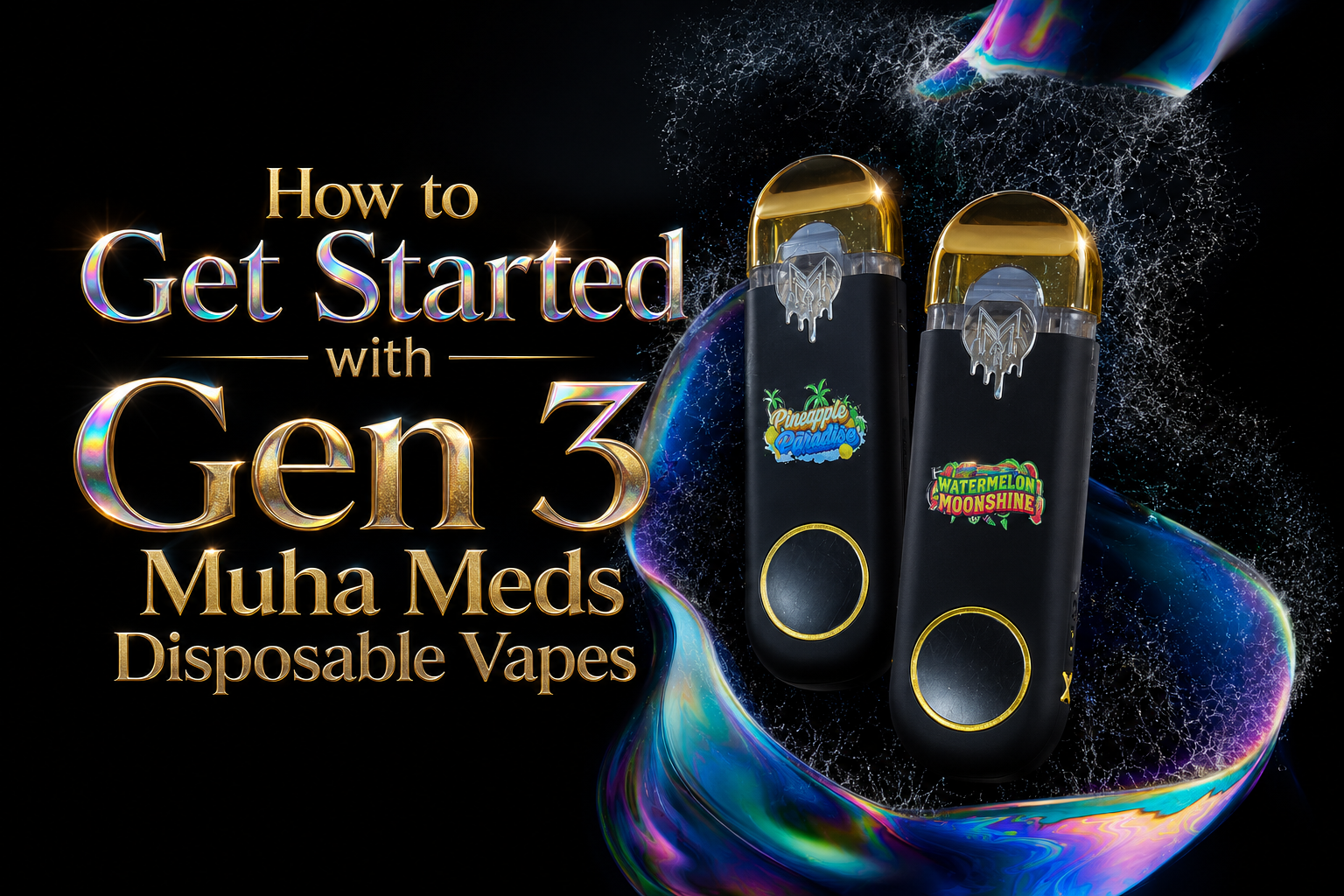
How to Get Started with Gen 3 Muha Meds Disposable Vapes
Getting started with Gen 3 Muha Meds Disposable Vapes should begin with a clear scope: this guide is about empty only products for qualified business buyers. It is not about filled products, consumer-use instructions, or exaggerated market claims. The goal is to help wholesale teams read pages clearly, compare category paths, keep wording consistent, and document compliance questions before any reorder.
Quick Answer
The best starting point is to treat Gen 3 Muha Meds Disposable Vapes as an empty only B2B category topic, not as a single-page decision. Start with the brand category, confirm the broader empty product category, review the 2g capacity group, then use one live Gen 3 listing as a reference point for naming, empty only wording, and receiving checks.
Contents
- Start with the empty only scope
- Read the category before the single listing
- Use the Gen 3 page as a reference point
- Create a clean review checklist
- Keep claims supported by official references
- Build an internal path without turning the article into a pitch
- FAQ
Start with the Empty Only Scope
A clear opening note prevents confusion later. For this topic, “empty only” should mean that the product is not pre-filled and does not contain oil, nicotine, THC, CBD, live resin, concentrate, or any other substance. That wording should appear early because it helps buyers, staff, and content editors understand the exact scope before comparing pages.
For topic structure, the strongest pillar path is the Muha Meds Disposable category. It is broad enough to support brand-level relevance, while still being close enough to the Gen 3 topic to help readers move from general brand research into more specific page review.
Read the Category Before the Single Listing
Wholesale buyers often move too quickly from a title to a quote request. A cleaner workflow is to read from broad to narrow: start with the main empty disposable vape category, then narrow the review to the 2g disposable vape group before opening a single Gen 3 listing.
This sequence keeps the page path logical. The broad category explains the larger product family. The 2g group helps buyers compare capacity wording. The single listing then becomes easier to review because the reader already understands where it sits inside the site.
Use the Gen 3 Page as a Reference Point
Once the category path is clear, use the live listing for Gen 3 Muha Meds Disposable Vapes as the page-level reference. This is the best place to align the exact keyword with one concise internal anchor, because the phrase matches the user intent and the target page.
When reviewing the listing, do not focus only on the product name. Check whether the page keeps the empty only notice clear, whether the category labels match the site path, whether the quantity information can be matched to a later order record, and whether the page wording can be repeated by your team without adding unsupported claims.
Create a Clean Review Checklist
A useful buying guide should make the next action clearer without sounding like a hard sell. The following checklist gives wholesale teams a simple way to review Gen 3 Muha Meds pages before they make a purchasing or sourcing decision.
- Confirm that the page uses empty only wording from top to bottom.
- Match the title, brand path, capacity group, and SKU notes before saving the page for internal review.
- Keep current batch photos, carton notes, and order records together so the receiving team can compare them later.
- Check whether the same naming is used across the category page, the listing page, and any invoice or quote file.
- Do not reuse “authorized,” “approved,” “official,” or similar wording unless it is backed by a current official source.
- Review local, state, federal, import, labeling, age-restriction, and resale requirements before distribution.
Keep Claims Supported by Official References
External links should support accuracy, not create a sales impression. For general terminology, the FDA ENDS overview is a useful reference because it explains how FDA discusses ENDS terms and common product language.
For legal-status wording, use FDA sources carefully. The FDA marketing order guidance explains that a new tobacco product needs a written marketing order before it can be legally marketed in the United States. The FDA authorized ENDS list is also useful when a writer or buyer wants to verify current authorization language instead of relying on broad market claims.
For advertising copy, the FTC advertising and marketing basics page is a strong source because it explains that claims should be truthful, not deceptive or unfair, and supported by evidence. For country-of-origin questions, the eCFR country-of-origin marking rules give the current federal text for marking requirements. For brand and naming checks, the USPTO trademark search page gives teams a practical starting point before they repeat names across catalogs, page titles, or store materials.
Build an Internal Path Without Turning the Article Into a Pitch
This article should not read like a product page. It should guide the reader through a clean learning path: brand category, broad category, capacity category, one Gen 3 listing, then one supporting article. For additional context on broader sourcing decisions, the empty disposable vape buying guide is a good final internal link because it supports the buyer’s next research step without pushing an immediate transaction.
Keep the anchor text short. Avoid vague anchors such as “click here” or aggressive anchors that focus only on discounts. Concise anchors help users understand the page path and help search engines connect the article to the correct pillar topics.
Common Mistakes to Avoid
- Do not use the exact keyword as an internal anchor more than once in the same article.
- Do not make the article a list of product links.
- Do not mix empty only wording with filled-product language.
- Do not make authorization or compliance claims without a current official source.
- Do not use long anchors that look unnatural inside the paragraph.
FAQ
What does empty only mean in this guide?
Empty only means the product is not pre-filled and does not contain oil, nicotine, THC, CBD, live resin, concentrate, or any other substance. The article should keep that scope clear from the introduction through the final checklist.
Why should buyers start from the category page?
Category pages help buyers understand the site structure before they compare a single listing. This reduces confusion when a team later needs to match a page title, capacity group, quote, invoice, and receiving record.
Should the exact keyword be used as an internal anchor?
Yes, but only once. The exact phrase Gen 3 Muha Meds Disposable Vapes is best used as one concise internal anchor pointing to the most relevant live listing. Other internal anchors should support the pillar and capacity topics.
Which external references are most useful?
FDA references are useful for terminology, authorization language, and market-status checks. FTC references are useful for advertising claim discipline. eCFR and USPTO references help with origin-marking and naming review.
How often should this article be reviewed?
Review the article whenever a linked product page changes, when official FDA or FTC guidance changes, or when your team updates the category path. A quarterly content review is a practical baseline for B2B pages in a regulated category.
Final Takeaway
A strong article about Gen 3 Muha Meds Disposable Vapes does not need exaggerated claims. It needs a clear empty only scope, a logical internal path, concise anchor text, and official references that help buyers verify important wording. That combination supports the main keyword, strengthens the Muha Meds Disposable pillar topic, and keeps the article useful for real wholesale research.

 ACE Ultra
 Muha Meds
 Big chief
 Besos
Besos Clean Carts
 Cookies
 Packman
 Sluggers
 Tyson pod
 Whole Melt
 California Honey
 USA Warehouse
 UK Warehouse
 POLAND Warehouse